Outdoor lighting in 2026 is no longer judged by brightness alone. Homeowners want attractive lamps that remain dependable through rain, dust, and changing temperatures. A garden path may face morning dew, heavy showers, blowing soil, or water from a nearby sprinkler. These conditions can expose weak seals quickly. Small details matter. The right protection rating helps buyers compare products with greater confidence.
Why is the IP65 rating important for outdoor lamps? The answer begins with its two-part classification. Under IEC 60529 testing, the first “6” indicates complete protection against dust ingress. The second “5” indicates protection against water jets from different directions. This makes IP65 suitable for many patios, entrances, balconies, and garden areas. However, IP65 does not mean the lamp can be submerged. It also does not prove resistance to salt air, impact, ultraviolet exposure, or poor installation. Not always.
Practical experience shows that installation quality can determine whether an IP65 lamp performs well. A loose cable gland, damaged gasket, or uncovered connection may allow moisture inside. Reputable manufacturers should provide clear specifications, test information, and maintenance guidance. Buyers should also check the lamp’s materials, drainage design, mounting position, and warranty terms. Coastal homes may need stronger corrosion protection than an IP rating alone provides. This guide examines the best outdoor lamps for 2026 through performance, safety, appearance, and long-term value. Some recommendations may change after real-world testing, because laboratory protection cannot capture every season, wall surface, or installation mistake.
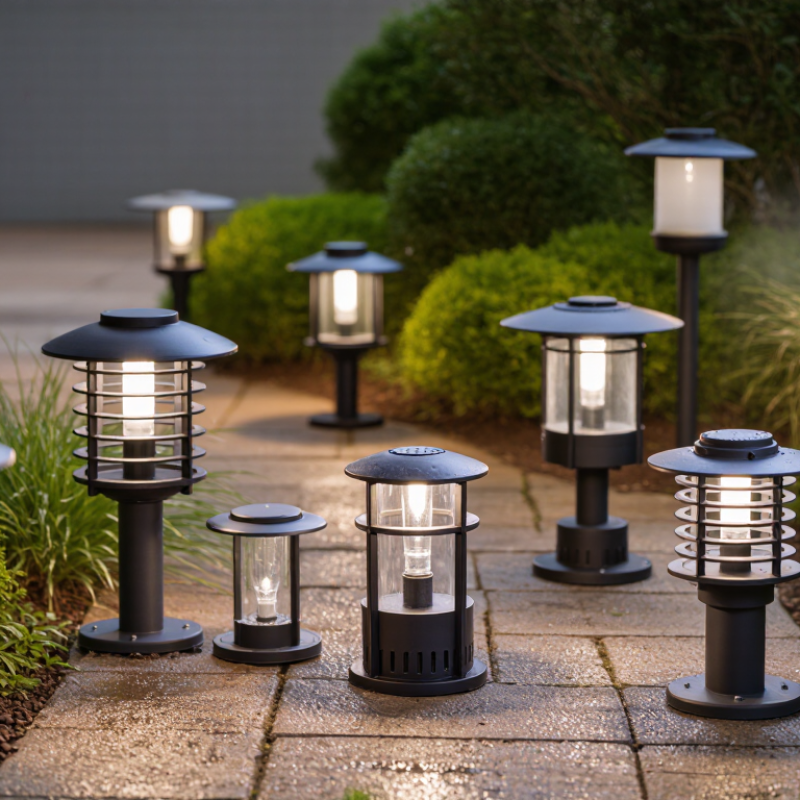
IP65 describes protection under IEC 60529, not overall product quality. The first digit, 6, means the lamp is dust-tight. The second digit, 5, means it resists water jets from any direction. Rain, splashing, and garden-hose spray are usually manageable. Submersion is not included.
That difference matters. A patio lamp may face dust, insects, wind-driven rain, and wet cleaning. IP65 helps protect internal electrical parts from these common conditions. However, it does not guarantee resistance to flooding, condensation, salt air, or long-term ultraviolet exposure. The U.S. Department of Energy reports that LED lighting can use at least 75% less energy than incandescent lighting. Efficient lighting still needs suitable environmental protection. Otherwise, moisture can shorten its service life.
IP65 is not a magic shield.
Tips: Check the installation instructions before buying. Keep cable entries pointed downward when possible. Tighten seals carefully, but do not crush them. Inspect gaskets after harsh winters or coastal exposure. A real installation lesson is easy to miss: water may enter through a cable connection, even when the lamp housing remains sealed. I would also avoid treating an IP rating as permanent. Seals age, screws loosen, and poor mounting can defeat a good design. For areas that may flood or sit underwater, choose equipment specifically rated for immersion.
IP65 is a practical rating for outdoor lamps exposed to dust, rain, and garden spray. Under IEC 60529, the first “6” means the enclosure is dust-tight. The second “5” means it resists water jets from any direction. This matters beside driveways, patios, and pool-free garden paths, where fine grit can enter small gaps. Dust may settle on seals and sockets, while repeated rain can corrode contacts.
IP65 is not waterproof for immersion. It does not protect a lamp dropped into a pond or flooded after heavy storms. The IEC 60529 test uses controlled water jets, so real conditions can be harsher. Wind-driven rain, ultraviolet exposure, and poor installation still matter. In field use, I have seen correctly rated lamps fail because cable entries faced upward. The rating alone cannot fix careless mounting.
Tips: Check the full IP marking, gasket condition, and cable direction. Keep connectors above standing water. Clean dirt from vents and seals twice yearly. For coastal areas, inspect metal parts more often. Also review local electrical guidance before installation. A small mistake remains possible.
The U.S. Department of Energy’s outdoor LED guidance reports that LEDs can use at least 75% less energy than incandescent lighting and last much longer. That efficiency becomes more valuable when an IP65 enclosure helps protect the electronics from outdoor contamination. Choose both features, not just one.
IP65-rated lamps suit patios, walkways, balconies, and covered outdoor kitchens in 2026. Under IEC 60529, “6” means dust-tight, while “5” protects against water jets. This matters near garden soil, pollen, and sudden rain. IP65 is not waterproof for permanent underwater use. That distinction is often missed.
Field experience shows IP65 works well beside garage doors and under roof edges. Keep the lamp away from direct sprinkler impact when possible.
The U.S. Department of Energy reports that modern LED systems commonly exceed 100 lumens per watt, supporting brighter light with lower energy use. The Global Lighting Association also identifies connected, efficient outdoor lighting as a major development area.
Still, efficiency cannot correct poor placement.
For paths, use shielded IP65 lamps at regular intervals, not intense fixtures at every turn. On terraces, warm light reduces glare against glass and pale walls.
Near pools, select equipment designed specifically for wet or submerged locations. Check cable glands, mounting surfaces, and drainage during installation.
Small details matter.
One limitation remains. IP ratings describe enclosure protection, not lifespan, glare, or corrosion resistance.
Coastal air can damage metal parts despite an IP65 seal. I would inspect exposed fixtures each season, even when the product looks new.
Reports provide useful benchmarks, but real weather is less cooperative.
2026 Best Outdoor Lamps: Why Is IP65 Important?
Choosing the right IP65 outdoor lamp starts with understanding its protection level. The first digit, 6, means the housing is dust-tight. The second digit, 5, protects against water jets from different directions. This suits patios, entrances, pathways, and covered garden areas. However, IP65 does not mean the lamp can be submerged. Heavy flooding needs a different rating.
Check the lamp’s construction, not only its label. Look for sealed joints, tight cable glands, corrosion-resistant materials, and a stable mounting base. Measure the area before choosing brightness. A narrow pathway may need focused light, while a terrace needs wider, softer illumination. Warm light often feels comfortable near seating areas. Neutral light can reveal steps and edges more clearly. I once chose a lamp that looked powerful in a small test area, but it created harsh shadows after installation. That mistake changed how I compare beam angles.
Tips: Confirm the IP65 rating on the complete lamp, not just one component. Inspect seals after installation. Keep connectors away from standing water. Check drainage around ground-mounted fixtures. Use outdoor-rated cables and follow local electrical requirements. Professional installation is sensible when mains wiring is involved. IP65 helps, but it cannot correct poor placement or damaged seals. I still recheck fittings after severe weather, because small gaps can appear over time.
A practical comparison of ingress protection, lighting performance, installation requirements, and suitable outdoor applications
| Evaluation Dimension | Recommended Specification | What the Data Means | Best-Suited Outdoor Use | Selection Notes |
|---|---|---|---|---|
| Ingress Protection | IP65 | The first digit, 6, indicates a dust-tight enclosure. The second digit, 5, indicates protection against water jets from any direction. | Patios, entrances, covered walkways, façades, gardens, garages, and general outdoor areas | IP65 is suitable for rain and hose-directed water, but it is not designed for temporary or continuous immersion. |
| IP Rating Comparison | IP44, IP54, IP65, IP66, IP67 | IP44 protects against solid objects larger than 1 mm and water splashes. IP54 provides limited dust protection and splash protection. IP66 adds protection against powerful water jets. IP67 protects against temporary immersion under specified test conditions. | Use the rating according to exposure, cleaning method, drainage, and installation position. | Choose a higher rating only when the environment requires it; the rating must apply to the complete assembled lamp, not only one component. |
| Brightness | 300–800 lumens for accent lighting; 800–1,500 lumens for pathways and entrances; 1,500+ lumens for security or flood lighting | Lumens measure the total visible light output. A larger lumen value generally produces more light, although beam angle and mounting height also affect coverage. | Accent lighting, steps, paths, doors, driveways, walls, and small outdoor work areas | Avoid choosing by wattage alone. Compare lumens, beam angle, mounting height, and the target area. |
| Color Temperature | 2,700–3,000 K for warm light; 3,500–4,100 K for neutral light; 5,000–6,500 K for cool daylight | Lower Kelvin values appear warmer and more relaxing. Higher values appear whiter or bluer and can improve visual clarity. | Warm light for residential gardens and patios; neutral light for entrances; cool light for task and security areas | Warm light is often more comfortable for living spaces, while neutral or cool light can improve functional visibility. |
| Color Rendering | CRI 80 or higher; CRI 90 or higher for decorative or detailed viewing | CRI describes how naturally colors appear compared with a reference light source. Higher CRI generally improves color recognition. | Outdoor dining areas, retail entrances, gardens, hospitality spaces, and architectural lighting | CRI is separate from brightness and color temperature, so all three specifications should be considered together. |
| Energy Efficiency | LED light source with a high efficacy and long rated life | LED lamps typically use less electricity and produce less heat than traditional incandescent lamps for a similar light output. | Pathway lighting, wall lights, porch lamps, security lights, and lights operated for long periods | Check the complete lamp efficacy in lumens per watt, not only the LED chip specification. |
| Housing Material | Powder-coated aluminum, stainless steel, UV-stabilized polycarbonate, or UV-resistant glass | Outdoor materials must resist moisture, corrosion, sunlight, and temperature changes. Material performance depends on construction and coating quality. | Coastal, humid, high-sunlight, urban, and residential environments | Near saltwater, corrosion-resistant materials and suitable protective coatings are especially important. Stainless steel grade and coating details should be verified. |
| Operating Temperature | Choose a lamp whose rated ambient-temperature range covers the local climate | Outdoor luminaires may be exposed to freezing conditions, high summer temperatures, and heat buildup inside enclosed fixtures. | Cold climates, hot climates, exposed façades, and enclosed outdoor fixtures | Review the manufacturer’s stated operating range and installation clearance before purchase. |
| Installation Location | Wall, ceiling, post, ground, or recessed installation according to the lamp design | Drainage, cable entry, mounting direction, and water exposure can affect real-world protection. | Walls, porches, eaves, garden paths, fences, driveways, and landscape features | Do not install a lamp in a position that creates water pooling around seals, cable glands, or connectors. |
| Electrical Safety | Correct voltage, grounded or double-insulated construction, weather-rated connections, and suitable circuit protection | Ingress protection does not replace electrical safety requirements. The lamp and installation accessories must be compatible with the electrical system. | All permanently installed outdoor lighting systems | Follow local electrical codes and use a qualified electrician where required. Outdoor circuits may require ground-fault protection depending on local regulations. |
| Controls and Automation | Photocell, timer, motion sensor, dimming, or smart control when appropriate | Controls can reduce unnecessary operating hours and improve convenience and security. | Driveways, entrances, pathways, courtyards, and security-focused installations | Verify that the sensor, control module, connectors, and power supply are also rated for the intended outdoor environment. |
| Maintenance | Clean lens, inspect seals, tighten mounting hardware, and check cable entries periodically | Dirt, corrosion, damaged gaskets, and loose connections can reduce light output and compromise weather resistance. | All outdoor locations, especially dusty, coastal, industrial, or high-traffic areas | Disconnect power before maintenance. Replace damaged seals, lenses, cables, or glands instead of relying on the original IP rating. |
| Best Overall Choice | IP65 LED outdoor lamp with 800–1,500 lumens, 2,700–4,000 K, CRI 80+, corrosion-resistant housing, and suitable controls | This combination balances rain and dust protection, practical brightness, comfortable color, energy efficiency, and everyday durability. | General residential and commercial outdoor lighting where immersion is not expected | Confirm the complete product specification, installation orientation, local electrical requirements, warranty terms, and replacement-part availability. |
Important: IP65 describes protection against dust and water jets under standardized test conditions. It does not indicate impact resistance, corrosion resistance, UV resistance, electrical safety, or suitability for underwater installation.
2026 Best Outdoor Lamps: Why Is IP65 Important?
IP65 is a practical protection rating for many outdoor lamps. The first number, 6, means the enclosure is dust-tight. The second number, 5, indicates protection against water jets from any direction. This matters beside a garden path, where wind can push rain through small gaps. It also helps prevent fine dust from reaching electrical parts. However, IP65 does not mean waterproof in every situation. The lamp should not be submerged, placed in standing water, or cleaned with a high-pressure washer.
Maintenance still affects safety. Turn off the power before inspection. Check the housing, cable entry, and mounting screws every few months. Look for cracked seals, loose fittings, or cloudy covers. A soft, damp cloth is usually safer than abrasive cleaners. In coastal areas, salt residue can damage metal and seals faster than expected. Rinse carefully with clean water, then dry the surface. Do not ignore small defects.
Installation experience shows that drainage matters as much as the rating. A downward-facing cable loop can reduce water entry. The fitting should also sit above soil and puddles. IP65 cannot correct poor wiring or damaged insulation. For mains-powered lamps, a qualified electrician should check connections and protective devices. I once treated a clean-looking seal as reliable, but it had hardened from sunlight. That mistake changed my inspection routine. Ratings describe tested protection, not permanent protection.
IP rating comparison based on IEC 60529 protection levels
Why IP65 matters: An IP65-rated outdoor lamp is dust-tight and protected against water jets from any direction, making it suitable for many exposed outdoor locations.
Safety limit: IP65 does not certify protection against temporary or continuous immersion. Lamps should not be submerged or cleaned with high-pressure water directed at seals, connectors, or ventilation openings.
Maintenance: Regularly remove dirt with a soft, damp cloth, inspect seals and cable entries for damage, and ensure drainage paths remain clear. The IP rating applies only when the product is correctly installed and undamaged.
IP65 means the enclosure is dust-tight and resists water jets from any direction. It is not designed for submersion.
Usually, yes. It can manage rain, splashing, and ordinary garden-hose spray. Avoid directing strong water at cable connections.
No. Floodwater and pond submersion require equipment with a specific immersion rating. IP65 alone is insufficient.
They suit patios, balconies, walkways, garage entrances, and covered outdoor kitchens. Keep them away from standing water.
Point cable entries downward when possible. Keep connectors above wet ground. Tighten seals gently.
Yes. Water can enter through an upward-facing cable connection. A sealed housing does not guarantee a dry installation.
It helps block dust and water jets, but not salt-air corrosion or ultraviolet damage. Inspect metal parts often.
Clean seals and nearby surfaces twice yearly. Check gaskets after winter. Replace damaged seals promptly.
No. IP65 describes enclosure protection, not energy use or brightness. Efficient LED lighting can still need suitable weather protection.
Not always. Seals age, screws loosen, and mounting errors develop. I might trust the rating too much. Inspect the lamp each season.
In 2026, IP65 is an important protection rating for outdoor lamps because it shows that the fixture is fully protected against dust and can resist water jets from different directions. Why is the IP65 rating important for outdoor lamps? Outdoor lighting is exposed to rain, wind, dirt, and changing weather, so this level of protection can help improve reliability, safety, and service life when the lamp is installed correctly. IP65-rated lamps are suitable for patios, balconies, gardens, walkways, entrances, garages, and other covered or open outdoor areas where strong water immersion is not expected.
When choosing an IP65 outdoor lamp, consider brightness, color temperature, energy efficiency, materials, installation method, and the size of the area to be illuminated. Regular maintenance should include cleaning dust from the housing, checking seals and cables, and turning off power before inspection. IP65 does not mean the lamp is waterproof for underwater use or protected from every form of damage, so avoid submerging it and follow the manufacturer’s installation and safety instructions.

Penelope Light