Cleaning solar panels on high-altitude street lights can be challenging. Many factors come into play, such as access and weather conditions. According to John Peterson, an expert in renewable energy solutions, “Proper maintenance of solar panels is as crucial as installation.” His insight highlights the importance of routine cleaning to ensure efficiency.
How to clean solar panels on high-altitude street lights? This question is often overlooked. High-altitude panels gather dust and debris more quickly. Cleaning them effectively is essential for optimal performance. Scratches and damage can happen, especially if the wrong techniques are used. Regular checks help to address these issues before they escalate.
Utilizing the right tools and practices can simplify the process. Hiring professionals may be necessary for hard-to-reach areas. Cleaning solutions should be gentle to avoid harming the panels. It’s worth reflecting on how often these maintenance tasks are skipped. Regular cleaning can lead to better energy output and longer life for the panels.
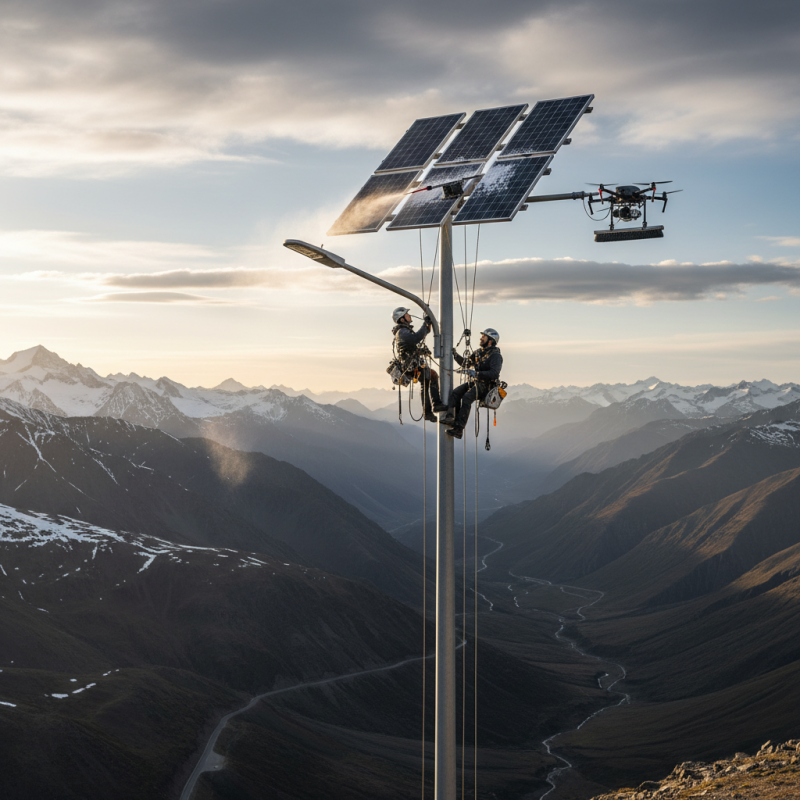
Cleaning solar panels on high altitude street lights is crucial for maintaining their efficiency. Dust, bird droppings, and debris can accumulate over time. This buildup reduces the panels' ability to absorb sunlight, impacting energy production. Regular cleaning ensures the panels operate optimally, especially in areas with frequent weather changes.
When cleaning, always prioritize safety. Use appropriate equipment when reaching high altitudes. Soft brushes or squeegees are effective for removing dirt without scratching the solar surface. Avoid harsh chemicals, as they can damage the panels. Water is usually sufficient for basic cleaning. For tough stains, a mixture of water and vinegar can be helpful.
Additionally, consider cleaning frequency. High altitude lights may require more attention due to wind-blown dust. Watching for changes in energy output can signal when cleaning is needed. Reflect on your methods. Are they effective? Regular maintenance can prolong the life of solar panels and ensure they perform well year-round.
Cleaning solar panels installed on high altitude street lights requires specific tools and equipment. A
sturdy ladder is essential for safely reaching elevated panels. Ensure the ladder is stable and
placed on level ground. Using a harness adds safety while working at heights. A water-fed pole system is an
effective tool for rinsing panels without direct contact. This method reduces the risk of damaging delicate surfaces.
Soft brushes designed for solar panels minimize scratching during cleaning. Look for brushes with gentle bristles.
Along with these, a biodegradable soap solution can help remove dirt and grime without harming the environment.
Microfiber cloths are excellent for drying and polishing surfaces afterward. They prevent
streaks, ensuring efficient sunlight absorption.
In high-altitude locations, wind and weather complicate cleaning. It’s vital to choose a calm day
for cleaning tasks. Rushing may lead to accidents or subpar results, requiring a second attempt. Consistent maintenance checks can identify build-up or
damage before it becomes a larger issue.
Regular cleaning is crucial, but recognize the potential challenges faced in harsh conditions.
Cleaning solar panels on high altitude street lights requires careful access and safety measures. A report by the U.S. Department of Energy highlights that efficiency can drop by 20% due to dirt and grime. Thus, maintaining cleanliness is critical. For areas with high pollution or bird activity, cleaning frequency must be increased.
When accessing these high-altitude fixtures, using a sturdy ladder or aerial platform is essential. Workers should wear safety harnesses and follow OSHA regulations to prevent falls. Always check local weather conditions before attempting cleaning. Wind or rain can create dangerous situations. Also, professionals recommend having a spotter on the ground to assist during the process.
Once access is established, use soft brushes and a gentle soap solution. Avoid abrasive materials that could harm the panel surface. Over time, even minor scratches can impact performance. Regular inspections are advised to assess the condition of panels and mounting hardware. It’s an ongoing process, highlighting the need for vigilance in maintaining these energy sources efficiently.
Cleaning solar panels on high altitude street lights requires careful planning and appropriate techniques. Proper maintenance ensures optimal performance and longevity of the panels. Effective cleaning techniques are essential, especially given the challenges posed by height and environmental exposure.
For high altitude street lights, it is crucial to choose the right tools. A soft brush or squeegee works well for gentle cleaning without scratching the surface. Consider using a mixed cleaning solution of water and mild soap. Ensure that the water is free from minerals to avoid streaks. Avoid harsh chemicals, as they can damage the panels.
Regular inspections help maintain effectiveness. Check for dirt accumulation, especially in shaded areas. Using a ladder or cherry picker safely allows access to those hard-to-reach spots. If conditions are too risky, seek professional assistance. With these tips, keeping solar panels clean at height becomes manageable and safe.
Maintaining solar panel efficiency on high-altitude street lights is crucial for optimal performance. Regular cleaning is necessary, especially in areas with heavy dust or pollen. Use a soft brush to gently remove debris. Water can be effective, but avoid harsh chemicals. This method protects the fragile surface of the panels.
Routine maintenance extends beyond cleaning. Regular inspections for obstructions or damage help identify issues early. High winds may dislodge branches or debris onto the panels. Ensure that no shadows from nearby objects impact their performance. Moreover, consider seasonal changes; snow can accumulate and reduce energy generation dramatically.
Monitoring energy output gives insights into efficiency. If you notice a drop, it might indicate a problem. Anomalies in performance often need immediate attention. Reflecting on the maintenance protocol will aid in refining your approach. Small adjustments can lead to significant increases in efficiency.
| Tip Number | Cleaning Method | Recommended Frequency | Tools Required | Safety Tips |
|---|---|---|---|---|
| 1 | Soft brush cleaning | Monthly | Soft bristle brush, water | Use harness and helmet when working at height |
| 2 | Using a water wiper | Bi-weekly | Water wiper, tie down strap | Ensure the ladder is stable |
| 3 | Specialized cleaning solution | Seasonal | Eco-friendly cleaner, microfiber cloth | Wear gloves and goggles |
| 4 | High-pressure water cleaning | Annually | Pressure washer, hoses | Avoid direct contact with electrical components |
| 5 | Periodic inspection | Quarterly | Inspection tools, notebook | Check for loose connections |
: A sturdy ladder, safety harness, water-fed pole system, soft brushes, biodegradable soap, and microfiber cloths are essential.
Use a stable ladder, wear safety harnesses, and follow safety regulations to prevent falls during cleaning.
Dirt and grime can reduce efficiency by 20%, making regular cleaning critical for optimal performance.
Check local weather before cleaning. Avoid windy or rainy days to prevent accidents and ensure effective cleaning.
Increase the cleaning frequency in areas with high pollution or bird activity to maintain efficiency.
No, avoid harsh chemicals. Use gentle soap solutions to protect the fragile surface of the panels.
Regularly check energy output. A drop in performance can indicate potential issues needing immediate attention.
Perform routine inspections for obstructions. High winds can dislodge branches onto panels, impacting efficiency.
Snow accumulation can dramatically reduce energy generation, so be mindful of seasonal changes during maintenance.
Rushing through cleaning can lead to accidents. Reflect on techniques to improve efficiency and prevent mistakes.
Cleaning solar panels on high-altitude street lights is essential for maintaining their efficiency and performance. This article outlines the importance of regular maintenance and the specific tools and equipment needed to effectively clean these installations. Safety is paramount, and the piece provides a step-by-step guide on how to safely access high-altitude street lights, ensuring that the cleaning process can be conducted with minimal risk.
Additionally, it details effective cleaning techniques tailored for solar panels located at height, emphasizing methods that maximize cleaning without damaging the panels. The article concludes with valuable maintenance tips to sustain solar panel efficiency, answering the key question: how to clean solar panels on high-altitude street lights? By following these guidelines, one can ensure that these solar panels operate at their optimal capacity, contributing to sustainable energy solutions.

Penelope Light