How to Calculate Lumens for Solar Street Lights Guide?

Time:2026-07-21 Author:Oliver
0%

In urban planning, proper illumination is key. Solar street lights are an eco-friendly solution that can significantly improve safety. To ensure their effectiveness, it's vital to understand how to calculate the lumens for a solar street light.

Calculating lumens isn't as straightforward as it seems. Several factors come into play, such as the height of the pole, the width of the road, and the intended brightness level. Experienced professionals often emphasize the importance of these variables. A quick calculation can sometimes lead to inadequate lighting solutions, which may require revisiting the design.

Factors like solar panel placement and battery capacity further complicate matters. It's essential to consider local regulations and environmental contexts as well. Getting the lumens right can make all the difference in achieving a well-lit area. Finding the right balance between sustainability and functionality is challenging but crucial. Understanding how to calculate the lumens for a solar street light is the first step toward effective outdoor lighting solutions.
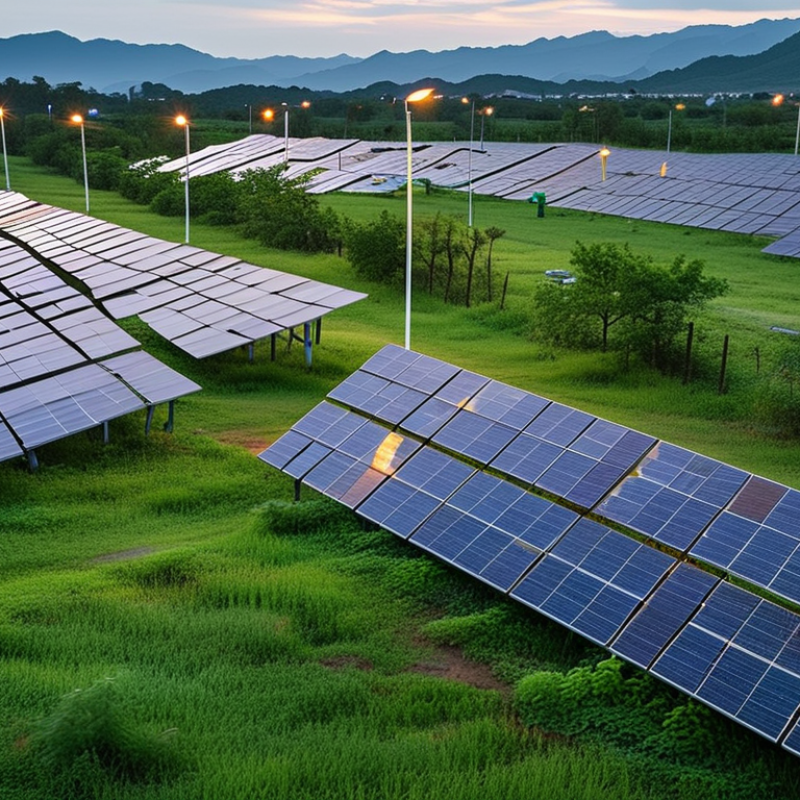
How to Calculate Lumens for Solar Street Lights Guide?

Understanding Lumens and Their Importance in Lighting

Understanding lumens is crucial when assessing lighting options for solar street lights. Lumens measure the brightness emitted by a light source. It's not just about illumination; it's about visibility and safety in public spaces. A higher lumen count indicates a brighter light, which can deter crime and improve visibility for pedestrians and vehicles.

When calculating the necessary lumens for solar street lights, consider the area that needs lighting. Each location has unique requirements based on factors like traffic, surrounding buildings, and pedestrian traffic. Are you illuminating a busy intersection or a quiet residential street? The need for higher lumens in one area may not apply to another.

It's essential to strike a balance. Over-lighting can lead to light pollution and inefficient energy use. A well-calibrated luminaire can enhance safety while conserving energy. Reflecting on lighting strategies within the specific context of your community can reveal opportunities for improvement. Choosing the right lumen output is a nuanced decision.

Factors Affecting Lumens in Solar Street Lights

When calculating lumens for solar street lights, several factors come into play. The main components include lamp type, wattage, and efficiency. LED lamps, for instance, usually produce more lumens per watt compared to traditional bulbs. Recent studies indicate that high-quality LEDs can generate about 100-130 lumens per watt. This efficiency is crucial for sustainable energy use.

Another critical factor is the environmental conditions. Lights in areas with heavy fog or rain may need higher lumen output for visibility. Research suggests that street lights in such climates should aim for at least 1500 lumens to ensure adequate illumination. The height of the mounting pole also influences how far and effectively light disperses. Higher poles increase the area covered but may require more lumens to maintain brightness at ground level.

Tips: Consider local weather patterns when choosing lumen output. Higher lumens aren’t always better; they may cause light pollution. Regularly assess the performance of your solar street lights to adjust lumens as needed. Monitoring can lead to improved energy efficiency and lower maintenance costs. Balancing lumens and environmental factors is essential. It demands careful thought for optimal outcomes.

Step-by-Step Guide to Calculate Lumens for Your Project

When considering solar street lights, calculating lumens is crucial for effective illumination. Start by determining the area you want to light. Measure the distance between poles and the height of installation. Knowing these details helps in assessing the required brightness.

Now, estimating lumens can be tricky. A poorly lit area may need more lumens than you think. An average street typically requires around 100 to 200 lumens per square meter. For pathways, aim for 50 to 100 lumens. Understanding these numbers creates a foundation for your project's needs.

**Tips:** When calculating, consider environmental factors like vegetation or nearby structures. They may obstruct light distribution. Also, take local weather patterns into account. In foggy or rainy areas, extra lumens might be necessary to maintain visibility. Always revisit your calculations to ensure they align with real-world conditions.

Selecting the Right Solar Street Light Based on Lumens Required

Selecting the right solar street light involves understanding lumens, the brightness unit. Different areas require different brightness levels.

For example, residential streets might need around 300 to 500 lumens per fixture. In contrast, commercial zones may require 1,000 lumens or more.

When determining your needs, consider the purpose of the lighting. Parks or pathways typically benefit from softer lighting. High-trafficked areas need brighter lights for safety. You may also need to think about the light distribution. Some lights focus brightness in a specific area, while others provide more spread.

However, matching lumens to the environment is not straightforward. Too much brightness can create glare and discomfort. On the other hand, too little illumination can lead to safety concerns. Finding the right balance takes careful consideration of both light output and placement.

Take the time to analyze your environment and how lights will be used. A well-lit area promotes safety and enhances the area's appeal.

Common Mistakes in Lumens Calculation and How to Avoid Them

Calculating lumens for solar street lights is often trickier than it seems. Many people underestimate the significance of proper measurements. A common mistake is forgetting to factor in the height of installation. The distance from the light source to the ground dramatically affects brightness perception. If you mount a light too high, the lumens may not reach the intended area effectively.

Another frequent error lies in ignoring the environmental conditions. Factors like nearby buildings or trees can obstruct light. This results in a lower illumination level than expected. It’s essential to consider these obstacles when planning the layout. Some users assume that higher lumens always mean better lighting. In reality, excessive lumens without proper design can create glare and discomfort.

Finally, not accounting for the type of lens or fixture can lead to miscalculations. Different designs disperse light differently. This can create hot spots or uneven illumination. Always evaluate the complete setup to ensure efficiency. Reflecting on these miscalculations is crucial for optimal results in solar street lighting.

Comparison of Lumens Output for Various Solar Street Light Types

FAQS

: What are lumens?

: Lumens measure the brightness emitted by a light source.

Why are lumens important for solar street lights?

They affect visibility and safety in public areas.

How do I calculate the necessary lumens for my area?

Consider the location’s unique requirements based on traffic and buildings.

What is a general lumen requirement for a busy street?

Typically, around 100 to 200 lumens per square meter is needed.

How does vegetation affect lighting calculations?

Vegetation can obstruct light, making it crucial to consider during planning.

Can too much light be harmful?

Yes, over-lighting can cause glare and lead to light pollution.

How do I choose the right brightness for different areas?

Assess the purpose; parks need softer light while busy areas require brighter lights.

What should I keep in mind about weather when planning lighting?

Foggy or rainy conditions may require extra lumens for visibility.

How often should I revisit my lighting calculations?

Regularly check to ensure they meet real-world conditions.

Why is it important to analyze light placement?

Proper placement enhances safety and improves the area's overall appeal.

Conclusion

In the guide titled "How to Calculate Lumens for Solar Street Lights," readers will gain a comprehensive understanding of what lumens are and why they are crucial for effective lighting solutions. The article delves into the factors that influence lumens output in solar street lights, offering a detailed, step-by-step guide on how to calculate the lumens required for specific projects.

Additionally, it highlights the importance of selecting the right solar street light based on the calculated lumens and cautions against common mistakes made during the calculation process. This resource provides practical insights for anyone looking to optimize their solar lighting installations, efficiently addressing the question: "How to calculate the lumens for a solar street light?

Oliver

Oliver

Oliver is a seasoned marketing professional with a wealth of expertise in driving brand awareness and engagement. With a deep understanding of our company's product offerings, he consistently delivers high-quality content that enriches our professional blog. His insights not only shed light on......